THE BRIEF
Empowering South Australians to make their vote a moment of reward, recognition, and community.
In South Australia, voter turnout has dipped, not because people undervalue democracy, but because voting can feel like effort with little reward. Partnering with Behaviour Change Specialist Mat Crompton, we uncovered a simple truth: while a single vote may not change political outcomes immediately, it always changes how people feel about themselves.
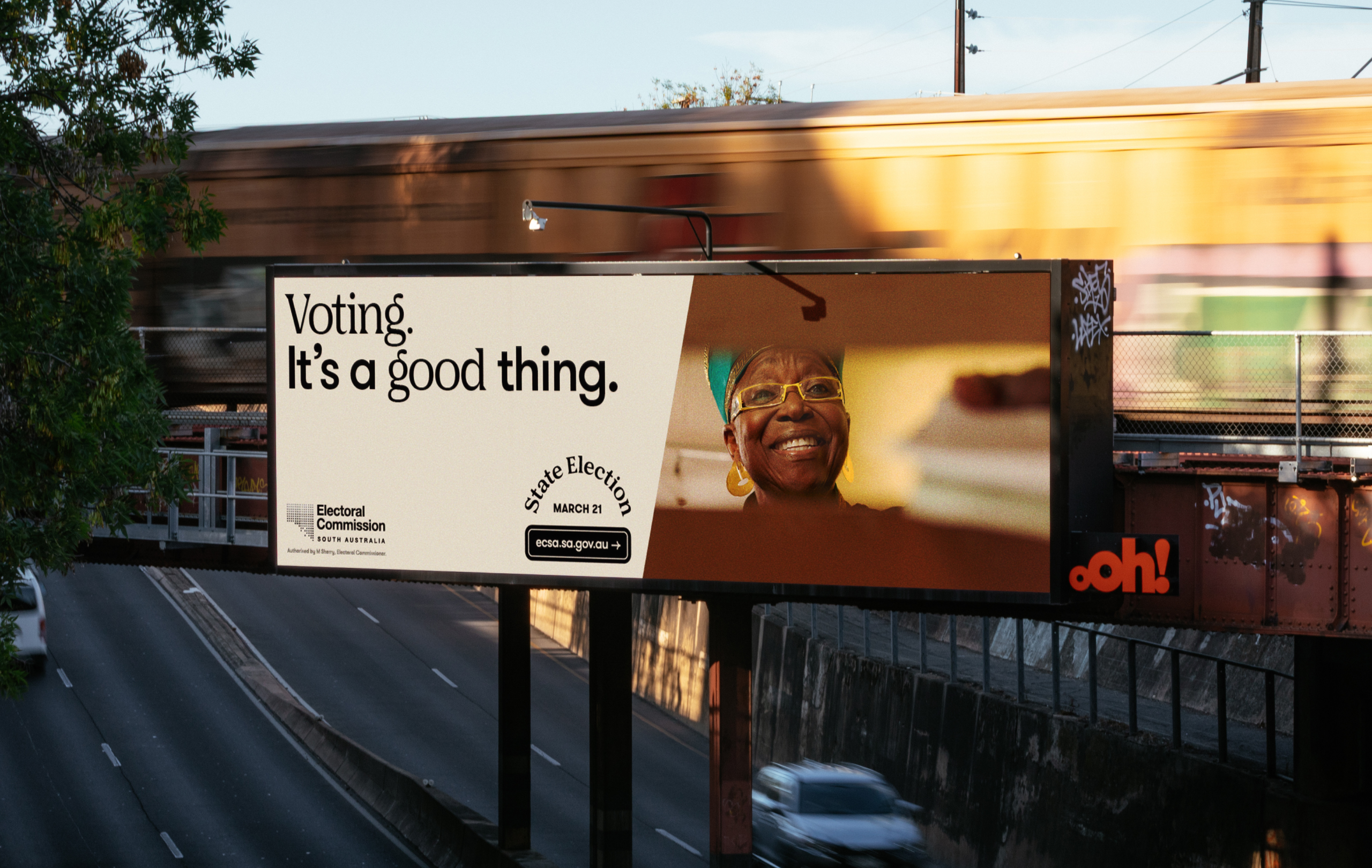
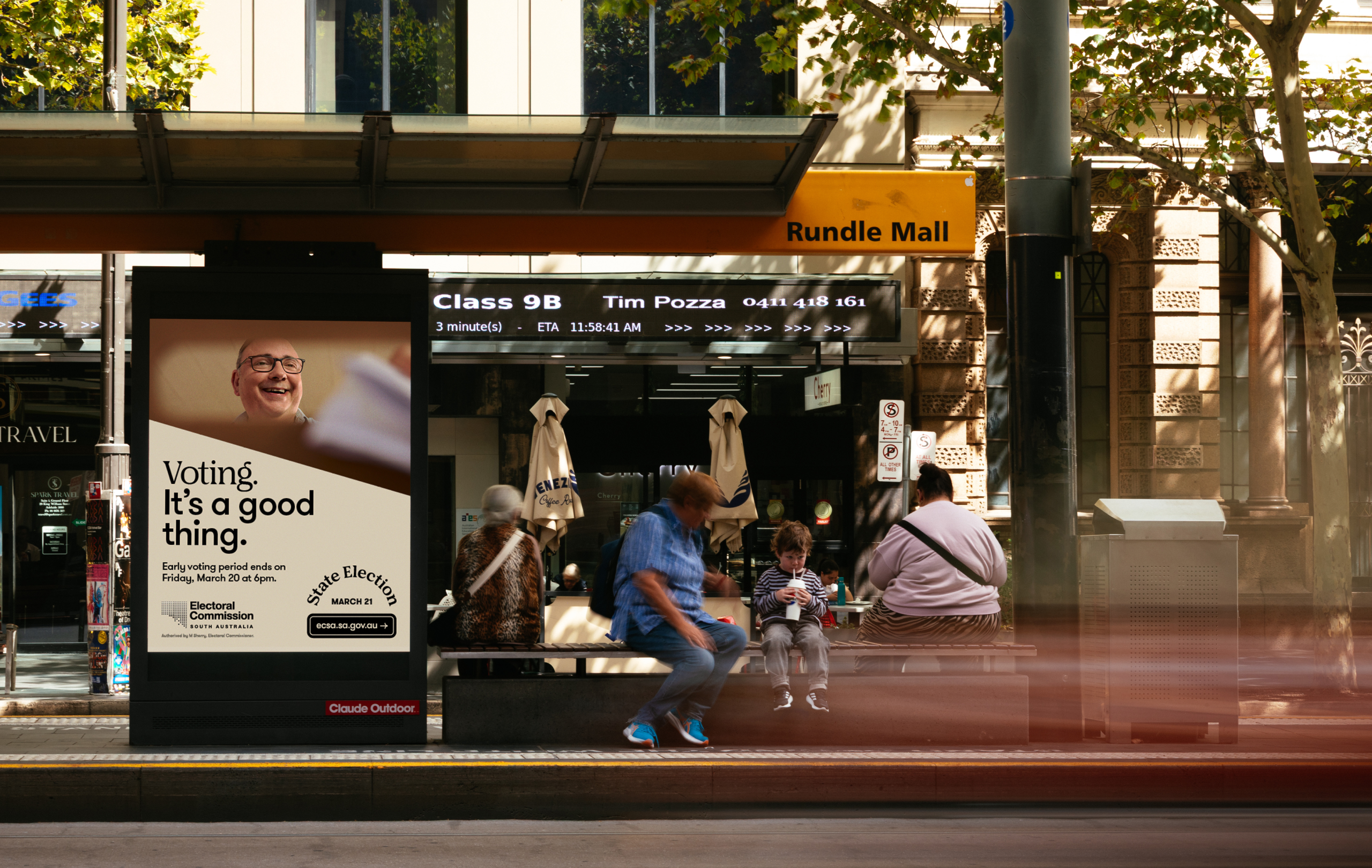
The campaign shifted the focus from outcomes to the act itself, celebrating the small, feel-good moments of voting – taking your kids along, popping out at lunch to vote, or casting a ballot from afar when eligible. Through flexible messaging like “Voting. It’s a duck-out-during-lunch thing.” and imagery capturing the fleeting joy of sliding a ballot paper into the box, the campaign made voting relatable, rewarding, and empowering.
By showing that every vote is a moment of pride, agency, and connection, this campaign reminded South Australians that participation is powerful — and voting really is a good thing.
The Challenge
South Australians don’t stop voting because they undervalue democracy. They stop because the effort feels heavier than the reward. It’s easy to de-prioritise voting when outcomes feel distant, disconnected, or irrelevant.
Our task was to make voting feel meaningful, immediate, and personally rewarding.
The Insight
While voting may not instantly change political outcomes, it profoundly affects how people feel about themselves in the moment. Every vote is an assertion of agency – an action that demonstrates pride, control, and connection. This emotional payoff is universal: “I stood up. I showed up. I acted, not just talked.”
In a world where recognition is scarce and the external environment feels noisy and uncertain, the voting booth is a space where South Australians can feel capable, decisive, and empowered.
Strategy
To ensure the campaign was grounded in real-world behaviour, we partnered with Mat Crompton, founder of Behaviour ID and Behaviour Change Specialist. Using behaviour change theories, we analysed our target audiences to uncover truths that would inform our creative and ensure it was anchored in scientific insights.
A key revelation emerged: ECSA cannot promise that a vote will lead to a better outcome or that an individual voice will shift political results. Whether people believe their vote matters or not, this was not something we could guarantee.
Instead, we discovered a strategic opportunity: focus on the act of voting itself, and the immediate benefits it delivers to the voter in the moment.
While voting requires effort, we could make the experience feel rewarding and immediate.
Campaign
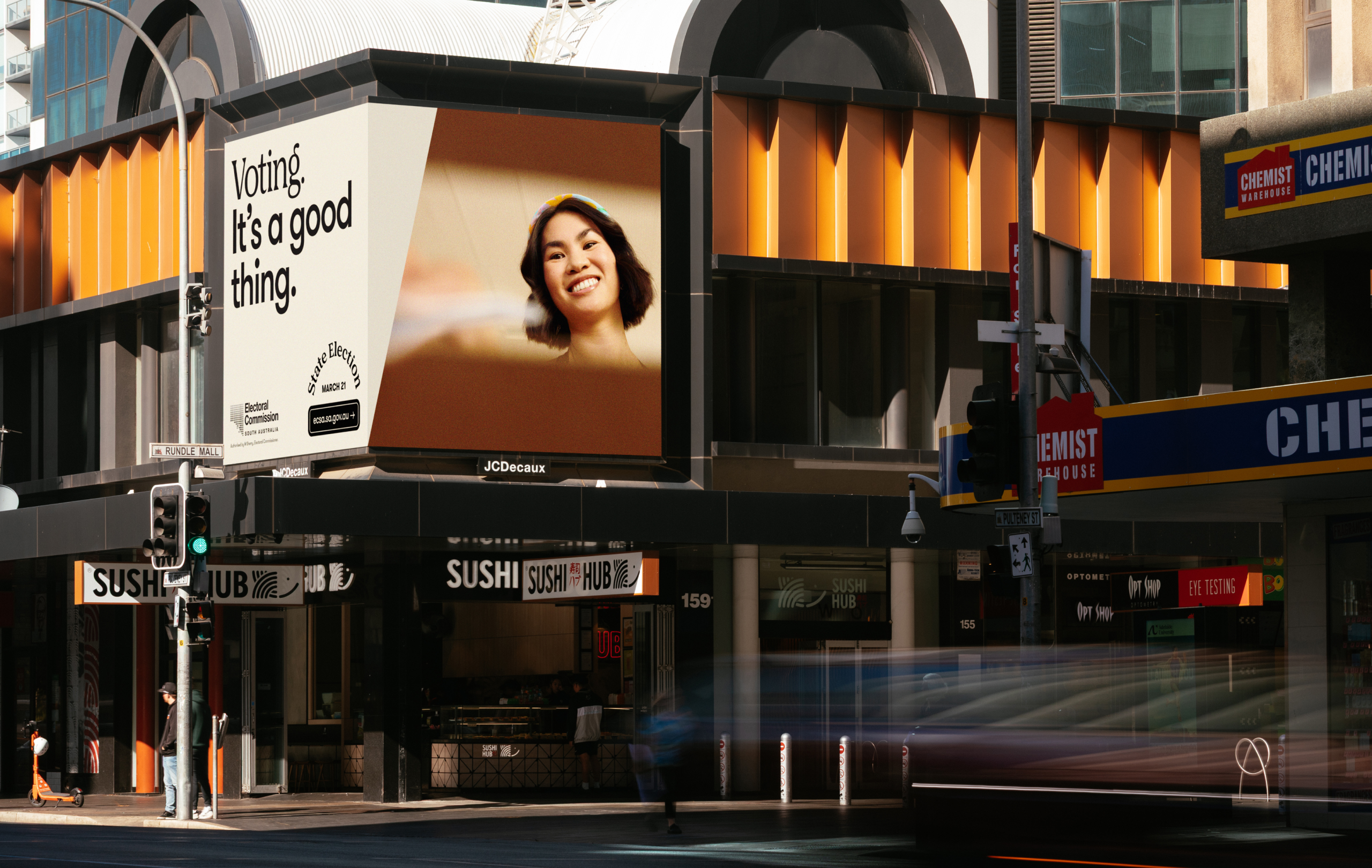
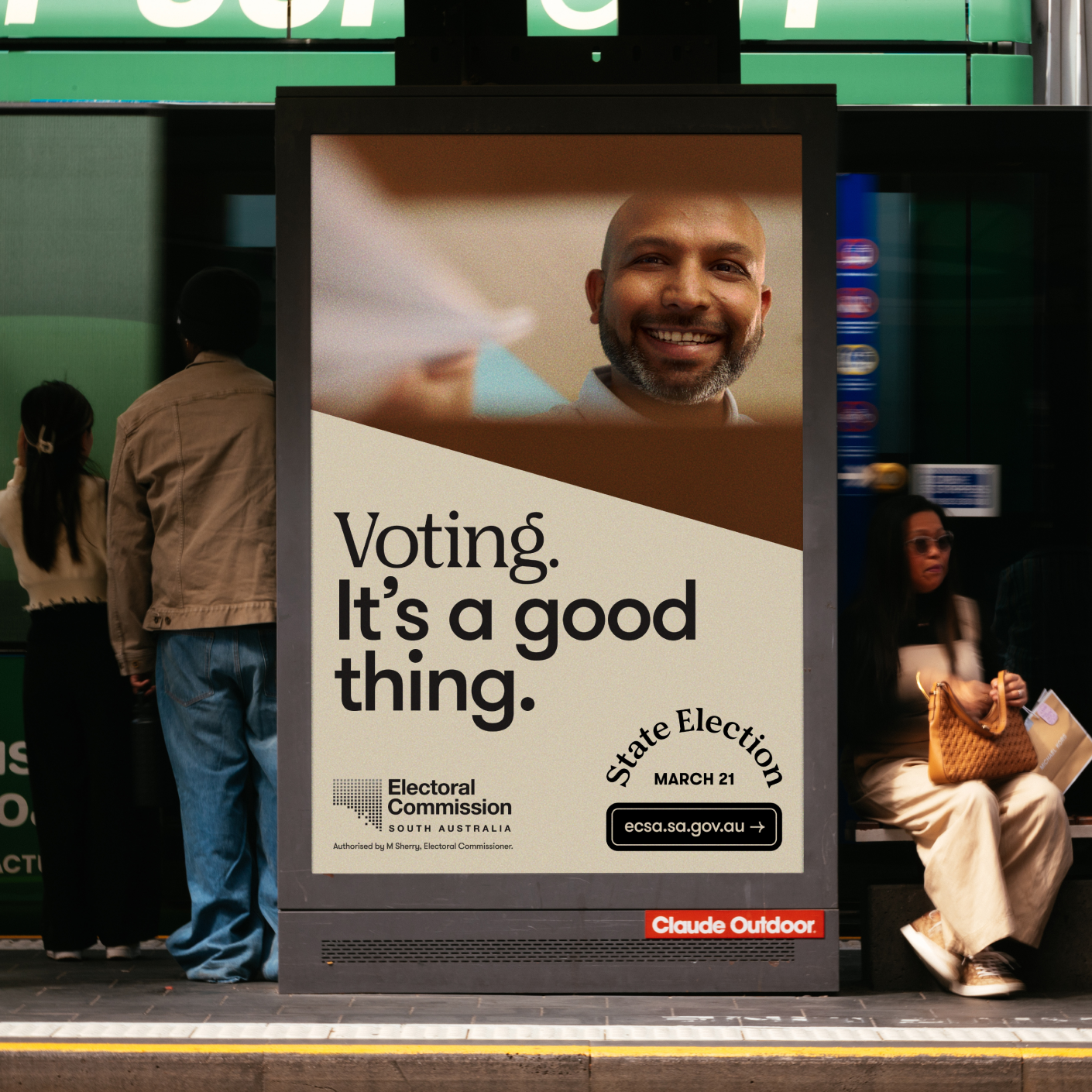
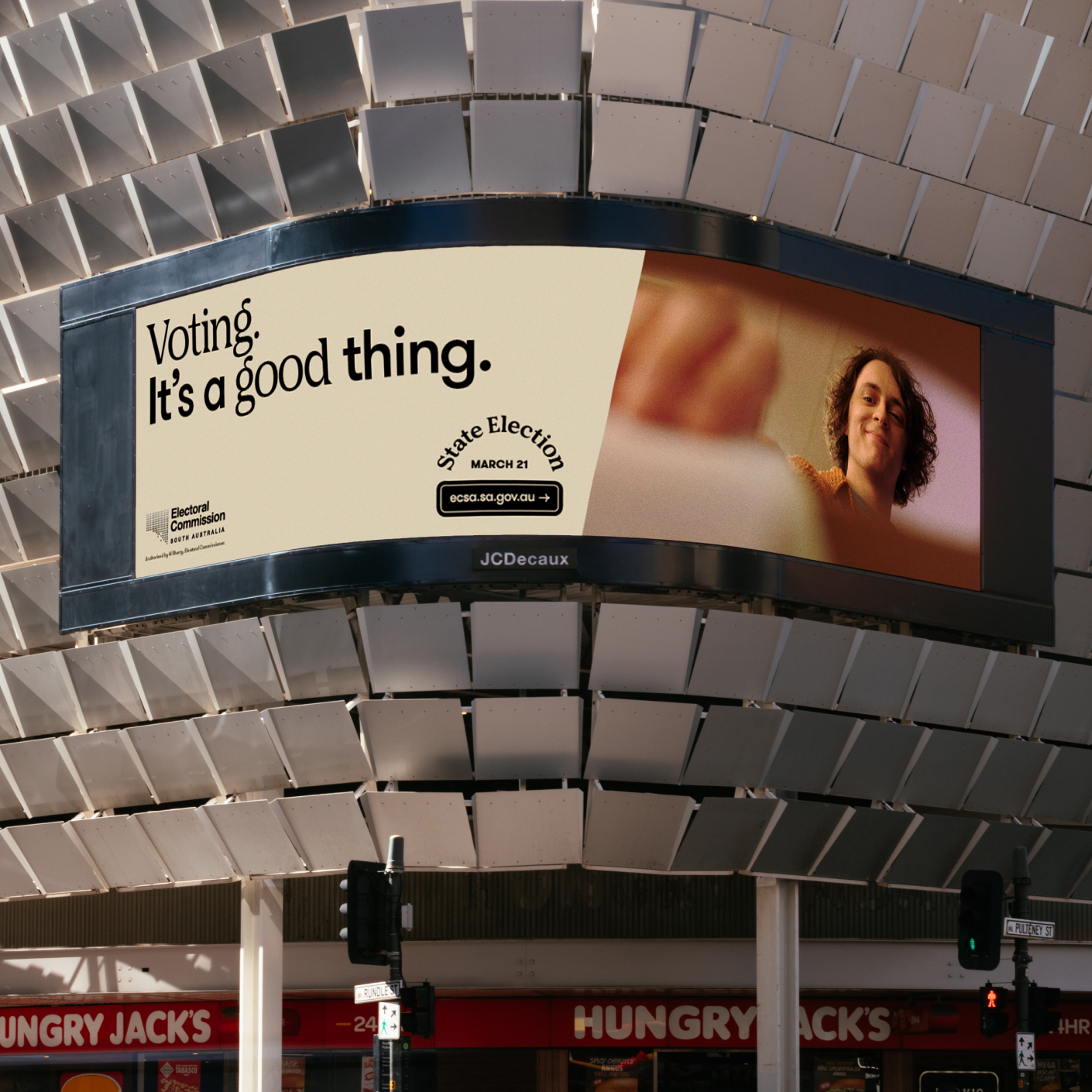
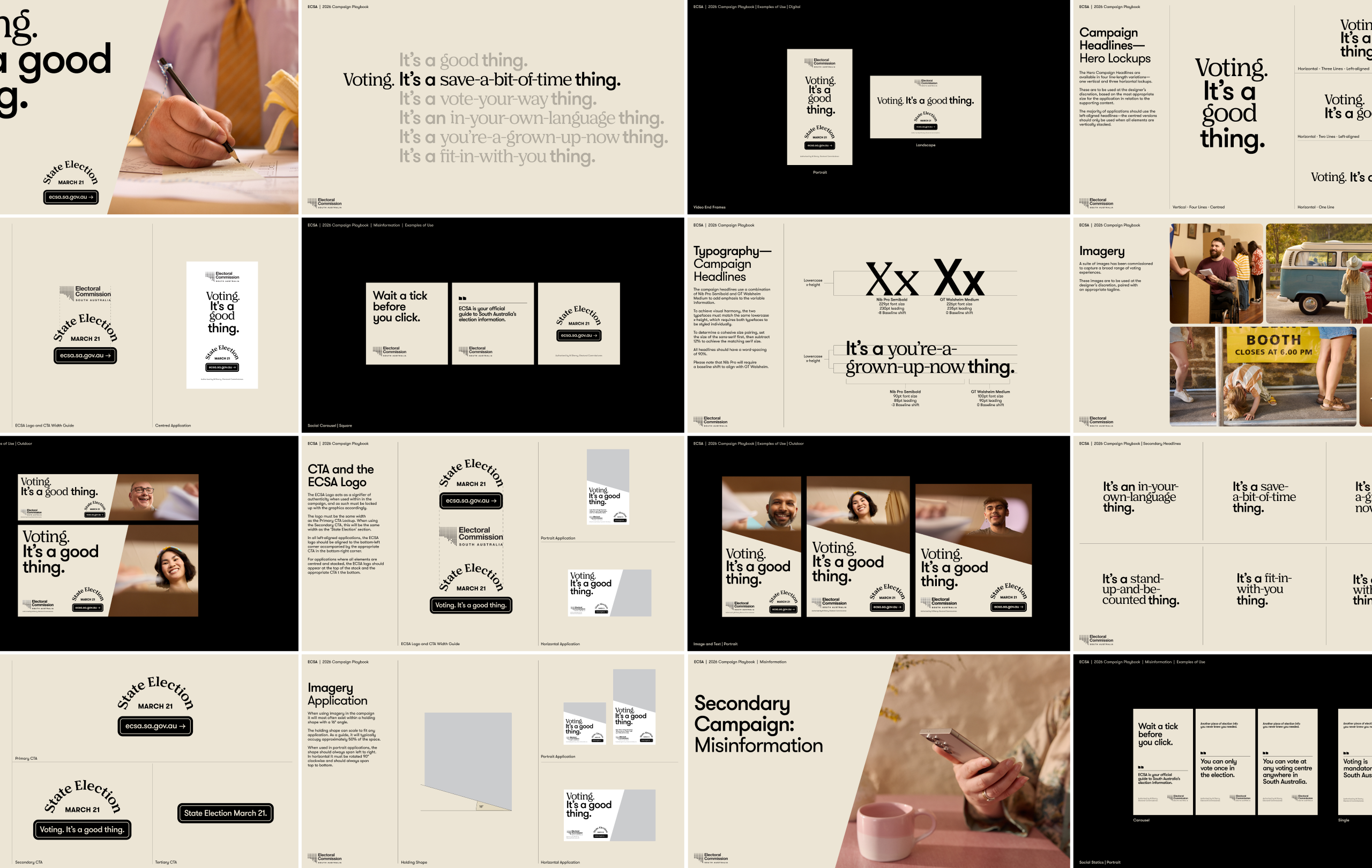
The campaign was built around a simple, positive idea: “Voting. It’s a good thing.” This provided a flexible platform to highlight all the feel-good moments within the voting process – celebrating the small, personal experiences that make voting meaningful in the moment.
We showcased that voting doesn’t have to be a monumental effort; it can be integrated seamlessly into everyday life.
Examples included:
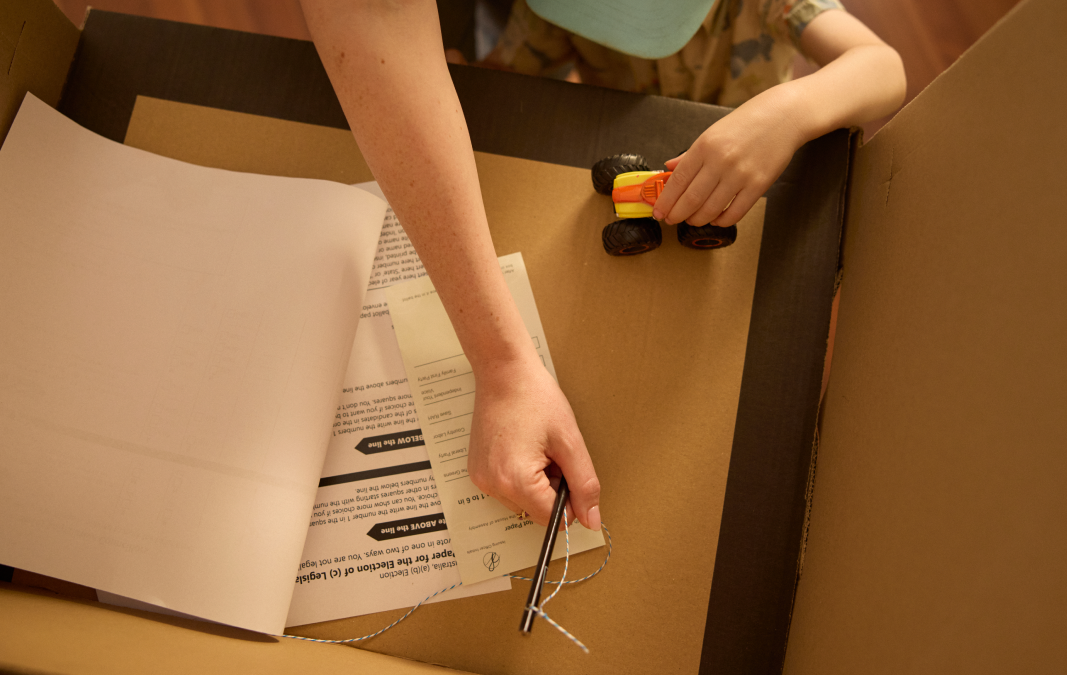
Taking your kids along to experience democratic participation.
Popping out during a lunch break to cast your vote.
Voting from afar, making the process accessible and convenient for those eligible.
Messaging
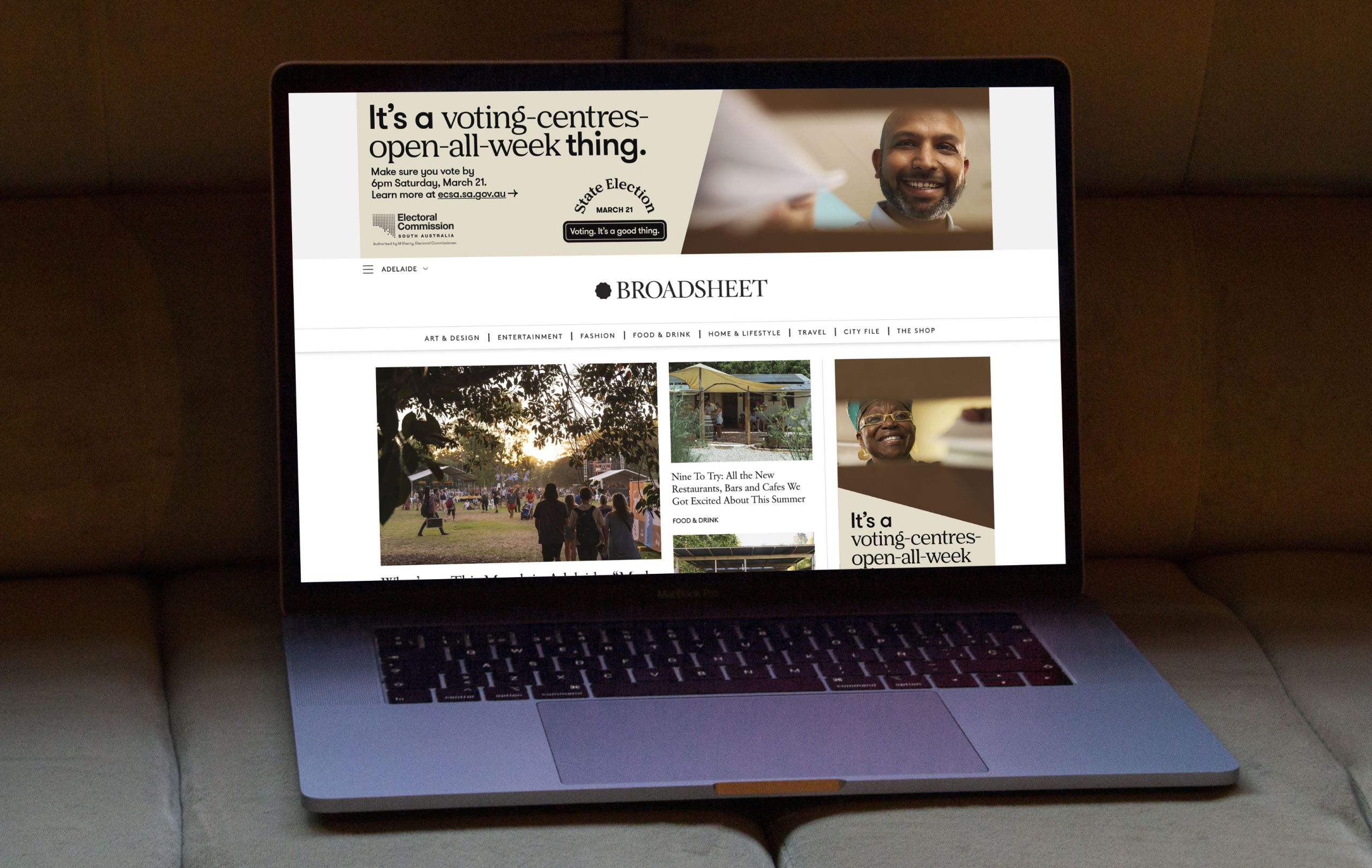
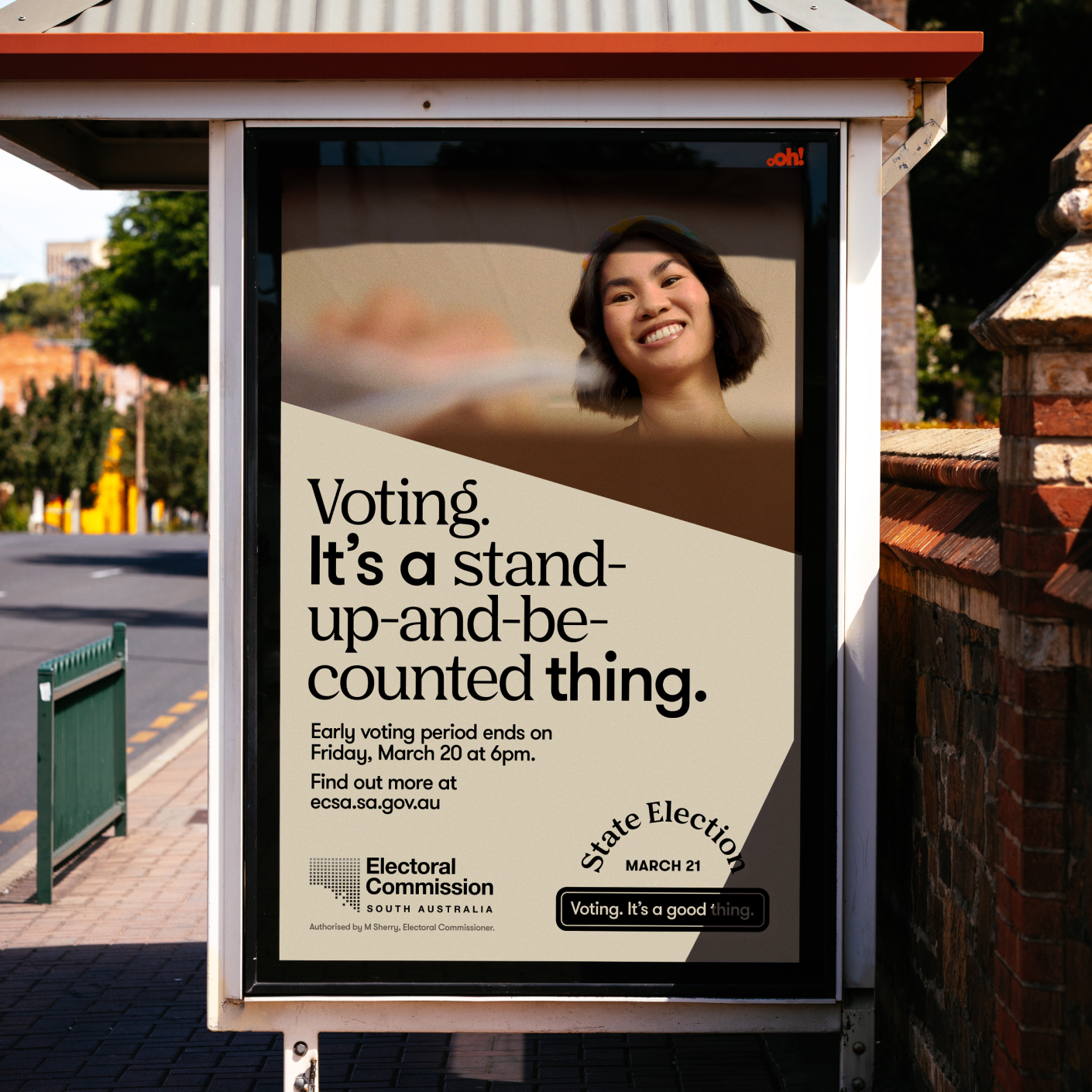
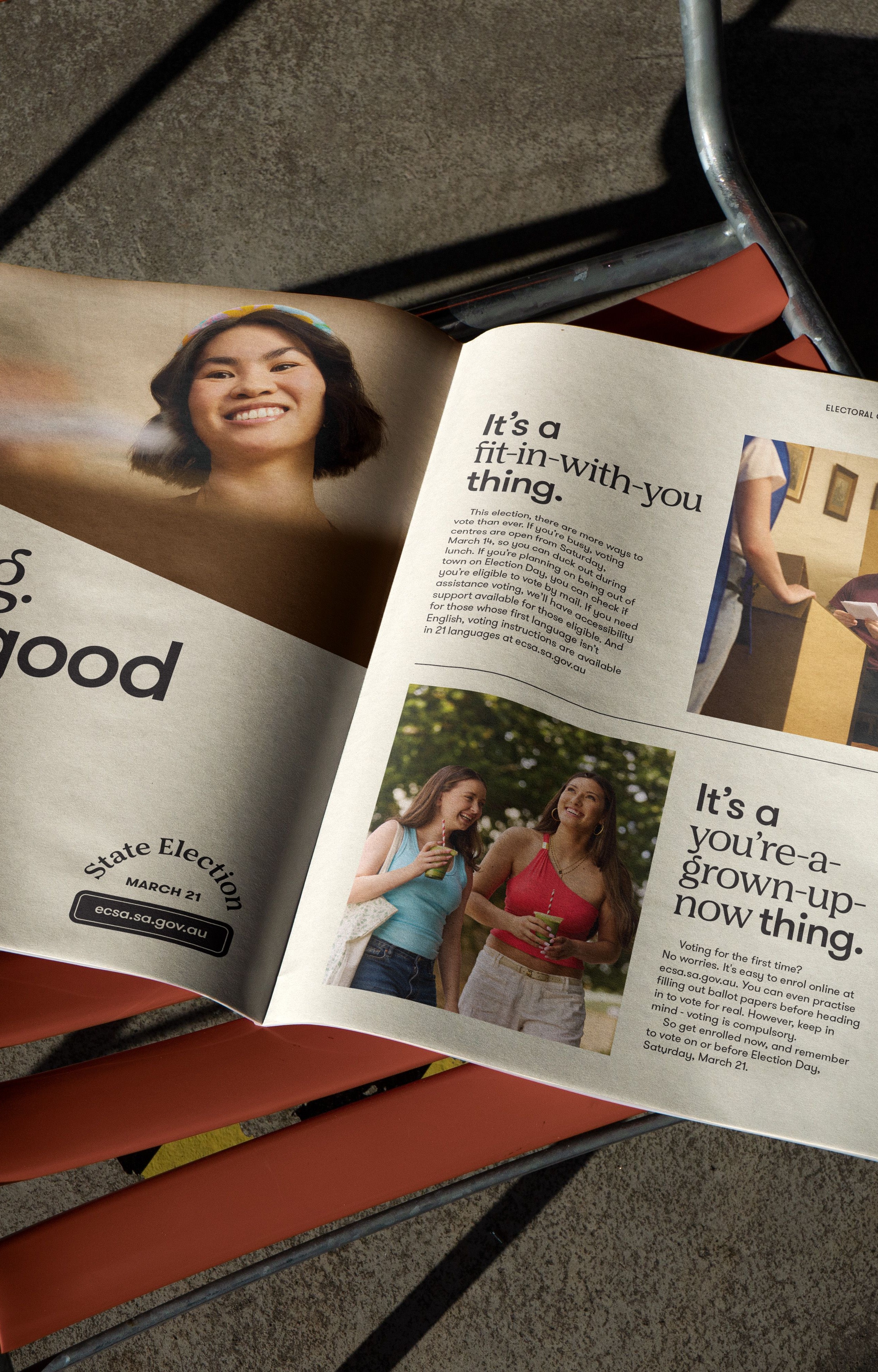
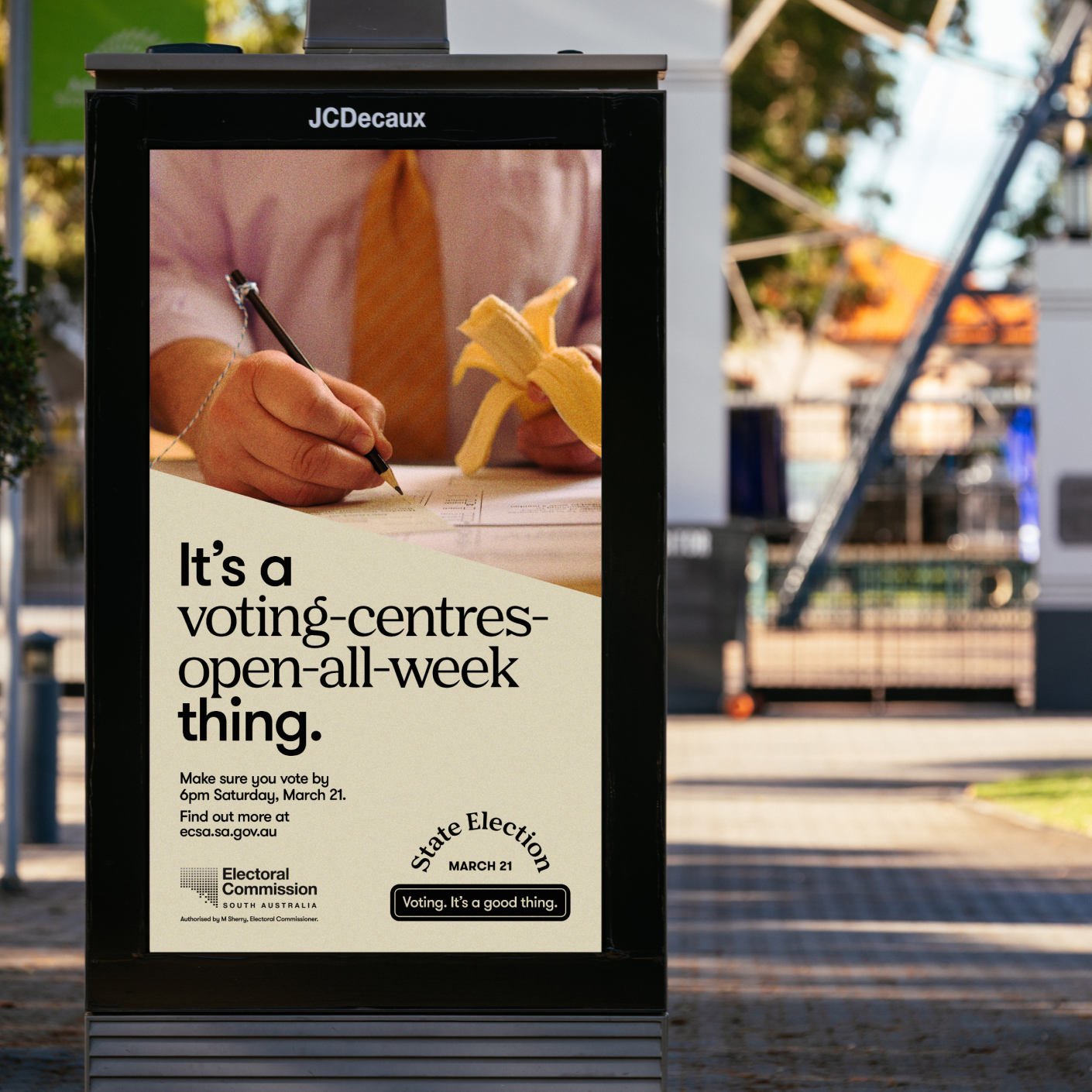
The messaging framework was designed to expand beyond the hero line of “Voting. It’s a good thing.” to flexible, audience-focused statements that spoke to real-life situations, such as “Voting. It’s a duck-out-during-lunch thing.” and similar variations. This allowed the campaign to resonate with a wide range of voters, making the act of voting feel relatable, achievable, and rewarding for all key audiences.
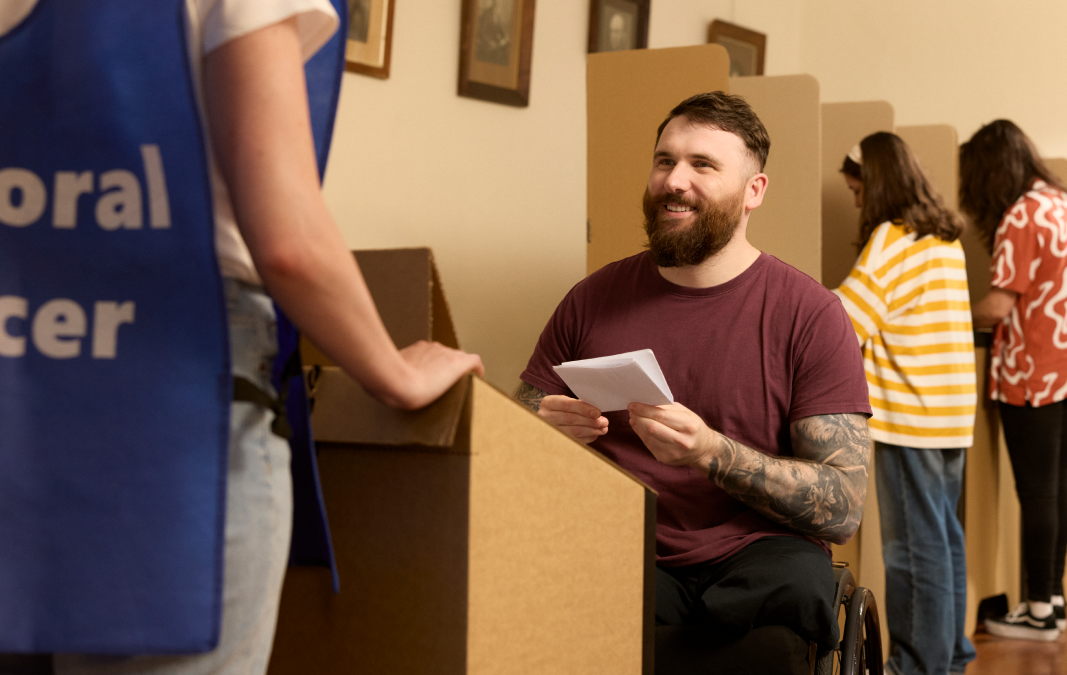
Imagery played a central role in the campaign, capturing real South Australians in those fleeting, yet powerful, moments of satisfaction – the small joy and sense of accomplishment when sliding a ballot paper into the box.
By visually emphasising these authentic emotional experiences, the campaign brought to life the insight that voting changes how people feel about themselves, reinforcing pride, agency, and connection.